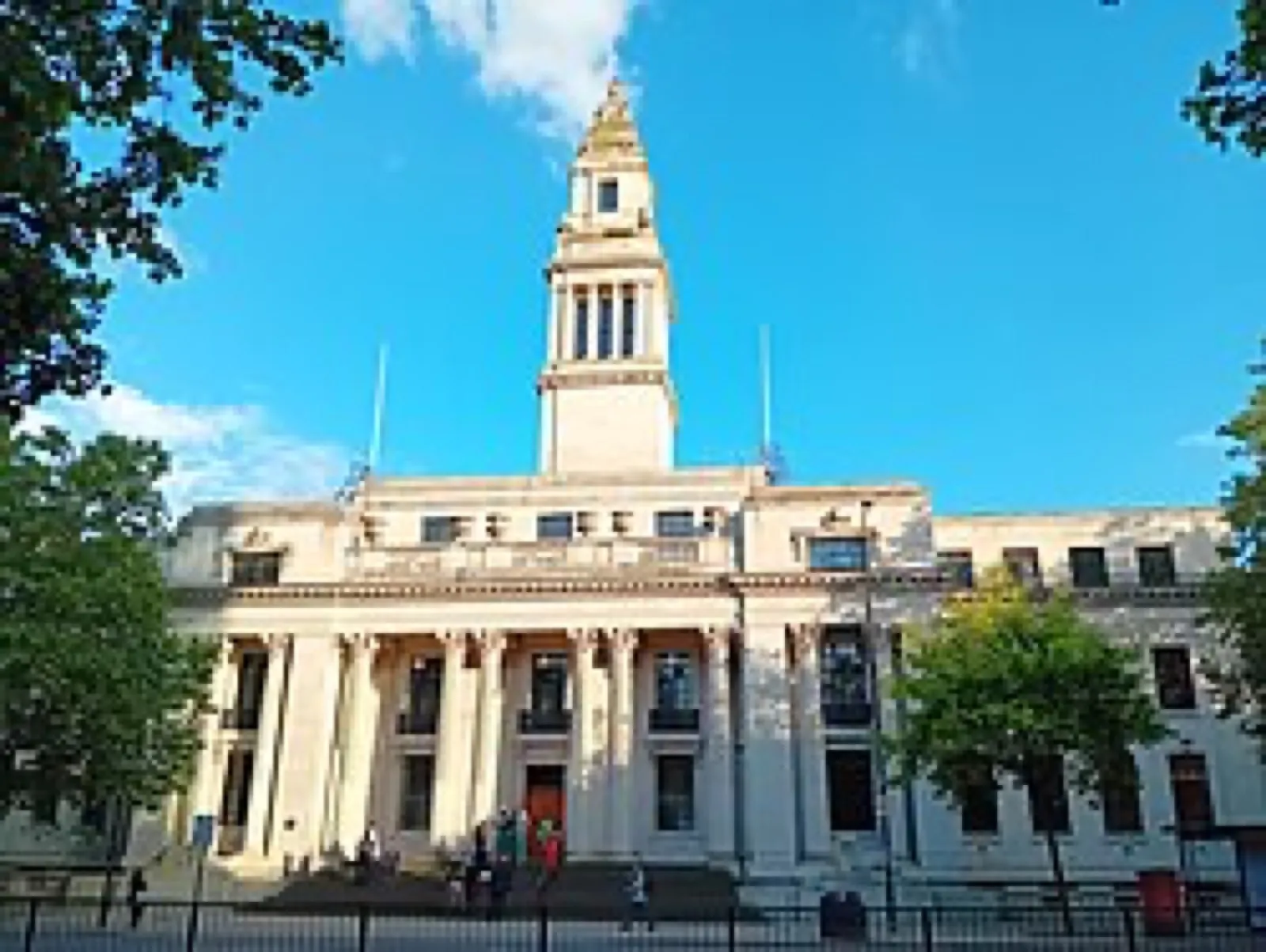
The City of Westminster serves one of the most diverse populations in the UK. Its libraries, leisure centres, and council offices welcome hundreds of thousands of visitors every year, including significant numbers of disabled residents and visitors.
Westminster recognised a gap: despite good intentions, their venues weren't consistently prepared for disabled visitors. Staff training was uneven, visitor requirements weren't captured in advance, and the experience for disabled customers was unpredictable.
They partnered with WelcoMe to change that.
What was the challenge?
Westminster's venues span libraries, leisure centres, and council offices, each with different teams, different physical layouts, and different visitor profiles. The challenges they faced are common across the public sector:
Inconsistent preparation. Some staff were confident supporting disabled visitors; others weren't sure what to do. There was no system to ensure consistent, prepared service across venues.
No advance information. Disabled visitors arrived and had to explain their requirements on the spot, often to multiple staff members, often repeating the same information at every visit.
Diverse requirements. Westminster's visitors include people with mobility impairments, sensory impairments, cognitive differences, energy-limiting conditions, and mental health conditions. No single adjustment covers everyone. The council needed a flexible approach that could handle the full range.
Public Sector Equality Duty. As a local authority, Westminster is subject to the PSED, which goes beyond the Equality Act's reasonable adjustment duty. Councils must proactively advance equality of opportunity, not just respond to complaints.
What did Westminster do?
Westminster deployed WelcoMe across its venues with three focus areas:
Visitor preparation through WelcoMe Key. Disabled visitors could share their access requirements in advance. When they arrived at a library, leisure centre, or council office, staff already knew what barriers to anticipate and remove. The most commonly flagged requirements included wheelchair accessibility, quiet spaces, automatic doors, and assistance dog provisions.
Staff training on barrier removal. WelcoMe's training modules gave staff practical knowledge on disability awareness and barrier removal. Rather than generic "be nice" guidance, staff learned specific actions: how to communicate with Deaf visitors, how to support people with energy-limiting conditions, how to guide someone with a visual impairment.
Continuous feedback. WelcoMe encouraged visitors to share their experiences after each visit, creating a feedback loop that Westminster used to identify remaining gaps and improve.
What were the results?
Westminster reported several measurable outcomes:
Increased visitor confidence. Disabled visitors reported feeling more confident when planning visits to Westminster venues. Customer feedback indicated reduced anxiety about attending, with visitors more willing to research and engage with council services.
Growing usage. The number of WelcoMe visits scheduled across Westminster venues increased significantly, demonstrating that once disabled visitors discovered the service, they used it repeatedly.
Broad coverage. WelcoMe successfully addressed requirements across a wide range of disabilities, validating the platform's flexible approach rather than a one-size-fits-all solution.
Staff awareness. Training improved staff understanding of specific access requirements, moving beyond general awareness to practical, actionable knowledge.
What visitors said
"The best experience I've had in a library ever! They found what I wanted and had it ready for me to collect. Will definitely be returning again. Wonderful service."
— Westminster Reference Library visitor
"Wonderfully helpful. They reply to the emails quickly and are extremely helpful!"
— Westminster venue visitor
What Westminster said
"WelcoMe helps us to reach our goals of making our spaces more accessible, improving the customer journey and expanding our own knowledge on disability in the process."
— Holly Igglesden, Business Improvement Programme Manager, Westminster City Council
Why this matters for other councils
Westminster's experience demonstrates several principles that apply across the public sector:
The PSED demands proactive action. Councils can't wait for complaints. WelcoMe gave Westminster a system to anticipate barriers and prepare for visitors in advance, fulfilling the proactive requirement of the Public Sector Equality Duty.
Multi-venue consistency matters. A disabled resident who has a good experience at one library expects the same at the next. WelcoMe provided a consistent framework across all Westminster venues.
Feedback drives improvement. The continuous feedback loop meant Westminster wasn't guessing about what to improve. Visitors told them directly.
Staff training must be practical. Generic awareness training doesn't change behaviour. Westminster's staff needed specific, actionable guidance on barrier removal, delivered in a way they'd actually remember.
Framework agreements allow councils to deploy WelcoMe across all public-facing venues under a single contract, providing the consistency and economies of scale that multi-site organisations need.
"WelcoMe helps us to reach our goals of making our spaces more accessible, improving the customer journey and expanding our own knowledge on disability in the process."
— Holly Igglesden, Business Improvement Programme Manager, Westminster City Council
Ready to prepare your council venues for every visitor?
See how WelcoMe works for public sector organisations.
Book a demo